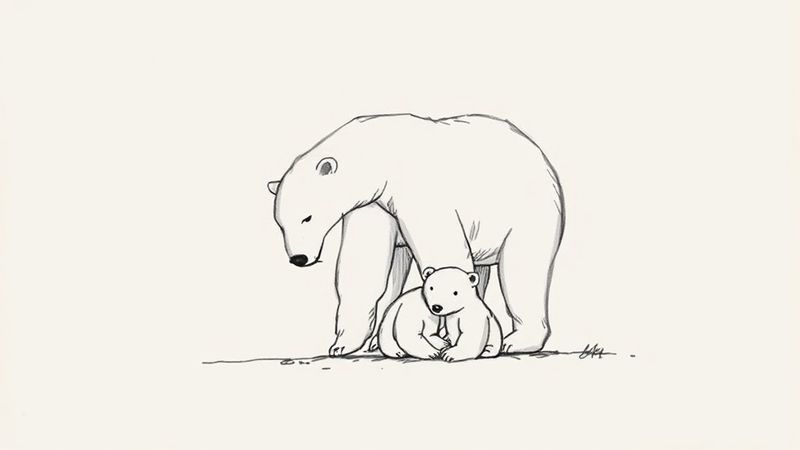
The case of a mother polar bear adopting a cub has been documented as the 13th occurrence among the approximately 4,600 bears studied over nearly five decades in northern Canada. Such cases are considered rare within the context of observed wildlife interactions and have attracted scientific interest due to their infrequency. These documented instances contribute to the understanding of maternal behaviors and social interactions among polar bears, which are generally characterized by solitary tendencies. The limited number of observed adoptions provides valuable insights into the flexibility and variability within polar bear social structures, as well as potential influences of environmental factors on maternal care. Research continues to monitor these behaviors to inform conservation strategies amid changing Arctic conditions, although such adoption events remain exceptional within the broader scope of polar bear ecology.
Polar Bear Mother Adopts Cub in Rare Incidence