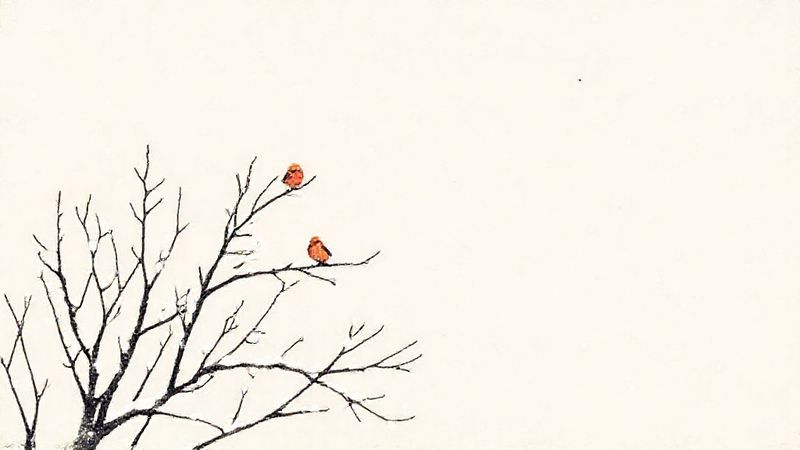
Bird activity during winter varies significantly across species and regions. Some birds continue to sing, often at dawn or in the early morning, despite the cold temperatures and reduced daylight hours. This persistent singing primarily serves purposes such as territorial defense and mate attraction. Species like certain finches, chickadees, and woodpeckers are known for their winter songs, which differ in intensity and frequency compared to their breeding season vocalizations. Factors influencing winter singing include habitat type, local climate conditions, and the bird’s physiological adaptations, such as insulation and metabolic rates. The reduced presence of competing noises, like insect sounds present in warmer months, may also make bird songs more audible during winter. Additionally, weather conditions influence birdsong, with milder periods often encouraging more vocal activity. Understanding these patterns helps clarify how birds adapt behaviorally to withstand the challenges of winter environments while maintaining vital communication for survival and reproduction.
The Influence of Cold Weather on Birdsong Activity during Winter