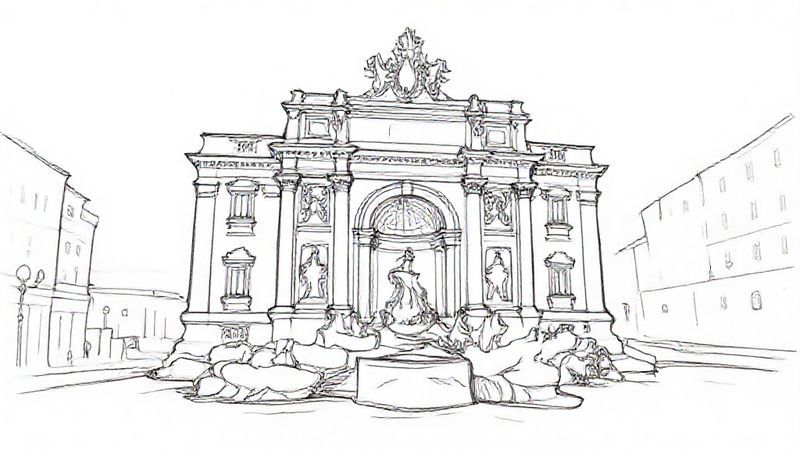
Beginning in February, visitors who are not residents of Rome will be required to pay a fee to access a close-up viewing area of the Trevi Fountain, a famous Baroque monument. The fee aims to regulate visitor numbers and generate revenue for preservation efforts. The exact amount of the fee has not been specified, but the policy is part of broader measures to manage tourist flow and protect the site. Historically, the fountain has been open to the public free of charge, attracting millions of visitors annually, but restrictions are being introduced to balance tourism with conservation needs. 2 This new fee structure follows similar policies implemented at other major historical sites across Italy and Europe, where entrance charges are being used to fund ongoing maintenance and restoration projects. The decision to charge for close-up viewing reflects concerns over environmental wear and the preservation of the fountain’s intricate sculptures and delicate stonework. The implementation of this fee has prompted mixed reactions, with some viewing it as a necessary step for preservation, while others see it as a barrier to public access. Authorities have indicated that the revenue will be reinvested into maintaining the site and ensuring it remains accessible for future generations.
Tourists to Incur Small Fee for Close-Up View of Rome’s Iconic Fountain