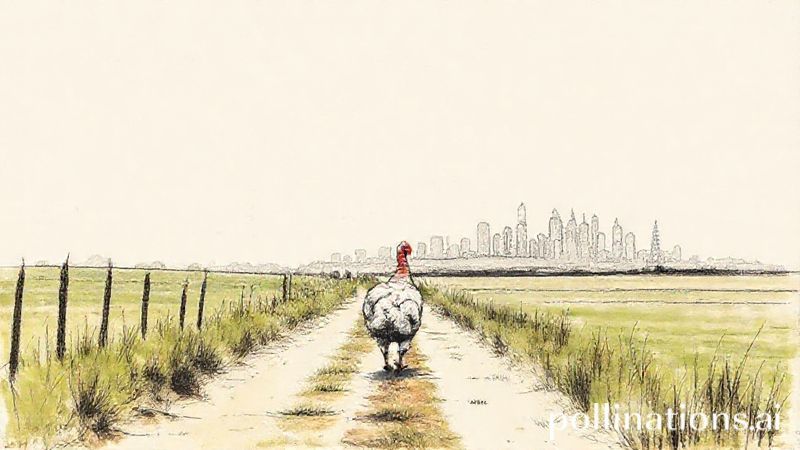
Before the advent of railways and refrigeration, turkeys destined for Christmas feasts in London had to undertake a lengthy journey on foot or via primitive transport methods. Farmers and traders would walk the birds through rural paths, crossing fields and small villages, to reach urban markets where demand for seasonal poultry was high. This process often involved long hours, with the birds being managed carefully to ensure they remained healthy during the trek. The collective effort was a vital part of preparing the holiday feast, illustrating a time when logistics relied heavily on manual labor and traditional routes. The transition to modern transportation methods eventually transformed these seasonal supply chains, significantly reducing travel times, and facilitating the wider availability of fresh poultry around the holiday season.
When Towns Were Carved Into the Journey of Turkeys for Christmas