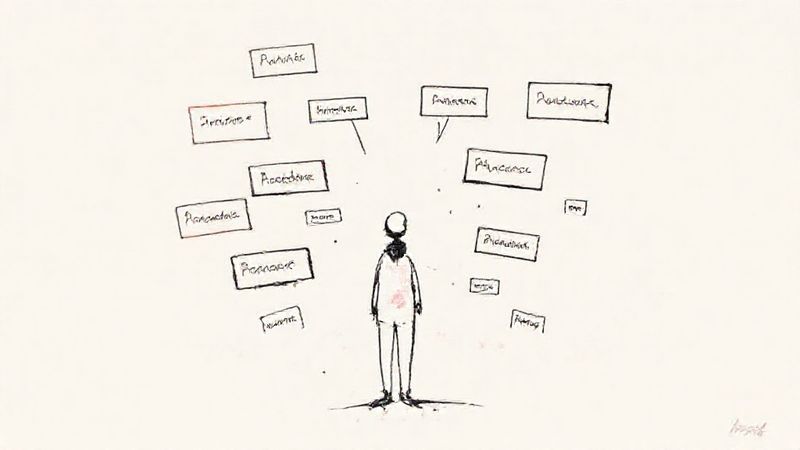
Generative AI tools have gained widespread popularity due to their ability to produce diverse content efficiently. These tools operate through prompts, instructions provided by users, which guide AI-generated outputs across fields such as writing, design, and research. As the use of these prompts increases, some experts have raised concerns about their influence on natural thinking processes. The primary worry revolves around whether reliance on AI prompts might diminish users’ capacity for critical thinking, problem-solving, or independent reasoning. Empirical research in cognitive science suggests that overdependence on external prompts could lead to reduced neural engagement in activities such as deep analysis and creative thought, potentially weakening certain mental skills over time. Despite these concerns, proponents highlight AI prompts’ benefits, including enhancing productivity and fostering new ideas. The debate continues as scientific investigation seeks to clarify the long-term cognitive effects of integrating AI prompts into daily routines. Overall, understanding the impact of generative AI tools on human cognition remains a vital area for ongoing inquiry, with implications for education, work, and mental health.
Are AI-Powered Prompts Impacting Cognitive Processes?