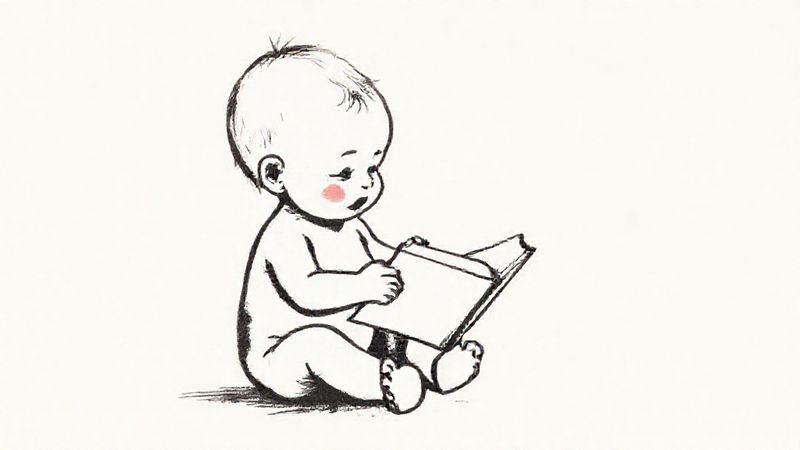
In a recent advocacy initiative, a coalition of writers including Sir Philip Pullman and Richard Osman has proposed that all newborns be automatically registered for library cards. This policy aims to encourage early literacy development and expand access to books from the earliest stages of life. The initiative emphasizes that providing infants with immediate access to literacy resources serves as a foundational step in promoting long-term educational engagement and reading proficiency among youth. Proponents argue that automatic registration eliminates barriers to library access and ensures equity, as every child would have the opportunity to explore and learn through reading without requiring parental intervention or bureaucratic processes. The proposal also highlights the potential benefits of early exposure to literacy, including cognitive development and improved communication skills, which can have lasting impacts on individual educational outcomes. This movement has gained support from a range of literary figures and educational advocates, emphasizing the importance of embedding books into daily life from birth. Efforts to implement such policies vary across regions and countries, with some already providing similar access through existing frameworks. The push for universal newborn library card registration is regarded as a step toward broader literacy initiatives that seek to promote educational equality and lifelong learning.
Advocacy Group Pushes for Automatic Library Card Enrollment for Newborns to Promote Literacy