
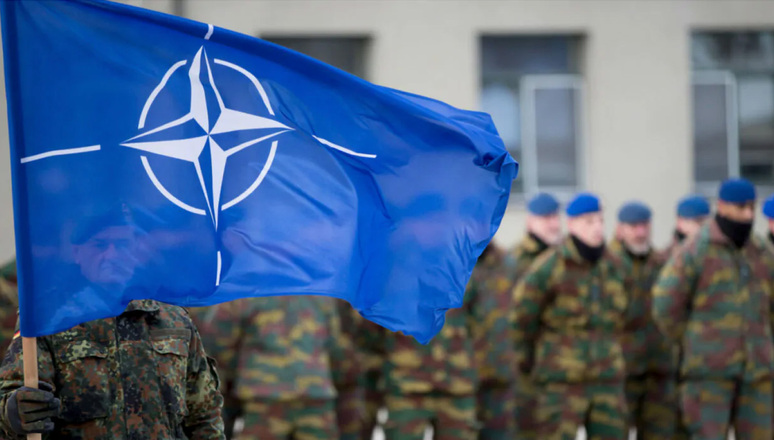
As the NATO summit in Ankara approaches, several analysts say that recent conflicts and shifting defense priorities have strengthened the relationship between Turkey and NATO allies, including for their respective defense industries, but real pressure points remain. "Turkey’s relationship with NATO is arguably in a stronger position than it has been for several years," Burcu Ozcelik, senior research fellow for Middle East security at RUSI, told Breaking Defense on July 2. "European allies increasingly recognize that strengthening NATO’s southern flank, securing the Black Sea and managing crises across the wider neighbourhood are central to allied security. Turkey is well-positioned to contribute across all three." However, a senior Turkish official recently suggested that Europe hasn’t gone far enough in embracing Turkey as the continent works to boost its defense capability amid US demands. "We believe excluding such an important capacity (Turkey) from Europe’s defence initiatives is a strategically inaccurate approach," Turkish Defence Minister Yasar Guler told Reuters last week. He reportedly said his government expects a more "visionary approach" from Europe in the future. Experts said some geopolitical stances taken by Turkey have created obstacles of their own, from the acceptance of Russian air defense equipment that got Turkey kicked out of the US-led F-35 program years ago to its current tense relationship with fellow NATO member Greece. Analysts pointed to Ankara’s significant contributions to both staffing NATO positions and participation in the alliance’s exercises. Turkey’s largest contribution was recorded this year as part of Steadfast Defender, where it sent more than 2,000 troops and the TCG Anadolu carrier. The deployment marked NATO’s first operational use of armed drones — the Turkish-made TB3s drones — from a flat-deck ship on the TCG. Paul Taylor, senior visiting fellow at the European Policy Centre, noted Turkey’s support for Ukraine, a priority issue for NATO Secretary General Mark Rutte, including "preventing Russian warships from entering the Black Sea" and providing "valuable military assistance with the Bayraktar drones early in the war."
Actualites avec Curation IA