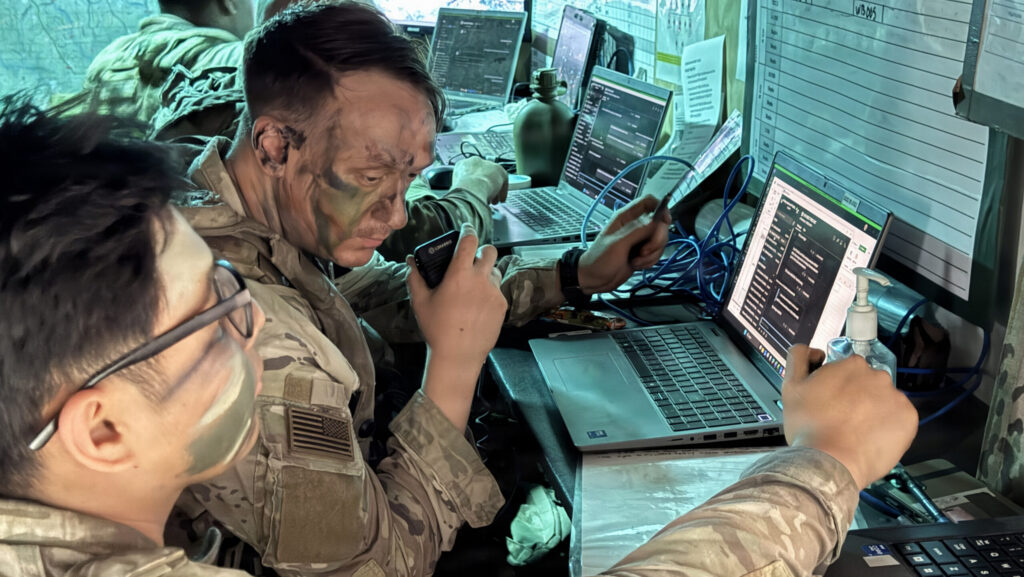
The Pentagon is improving its ability to detect deepfakes through programs like DARPA's Semantic Forensics and the Defense Innovation Unit's contract with Hive, but the article argues this focus on detection misses the real threat. The harder problem is that adversaries are poisoning the AI models that defense analysts and policymakers rely on to sort real from fake. Civilian researchers have documented adversarial content embedded in training data that feeds widely used AI models. The article cites examples including an Atlantic Council DFRLab audit finding content from pro-Kremlin operations and Chinese-government-adjacent influence operations in Common Crawl, which feeds much of the world's AI training pipeline. A study by Anthropic, the UK AI Security Institute, and the Alan Turing Institute found it takes as few as 250 malicious documents to compromise a large model. The article argues that detection tools flag synthetic media after creation but do nothing about models trained to favor certain narratives or omit facts, noting that US allies' information controls and US government pressure on satellite imagery companies also shape what AI models learn.
Noticias com Curadoria de IA