
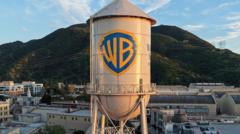
A dozen US states, led by California, have filed a lawsuit to block the $110bn merger between Warner Bros. and Paramount, claiming the largest media consolidation in Hollywood history would stifle competition and raise consumer prices. California Attorney General Rob Bonta claimed the merger would harm "audiences on every sofa and movie theater seat in the US." If approved, the combined company would control nearly a third of the US theatrical market and, together with Disney, Universal, and Sony, would allow just four conglomerates to control 86% of that market. The legal challenge focuses on three main areas: major cinema releases, massive blockbusters, and cable TV channels. The states argue that losing competition between the two studios strips movie theaters and television networks of vital bargaining power, leading to higher fees that will eventually hit consumers through pricier tickets and higher cable bills. The coalition has requested that the companies halt the transaction pending judicial review, threatening a temporary restraining order if they do not comply. Supporters of the deal argue that the traditional media world is in crisis, with cable TV audiences shrinking and cinema attendance facing pressure from tech giants and streaming platforms, making scale an economic necessity. Paramount described the lawsuit as "fundamentally flawed" and "wrong," stating it would "vigorously defend the transaction" and that delaying it would harm entertainment workers who have already suffered from technological disruption.
AI-Powered News Curation