
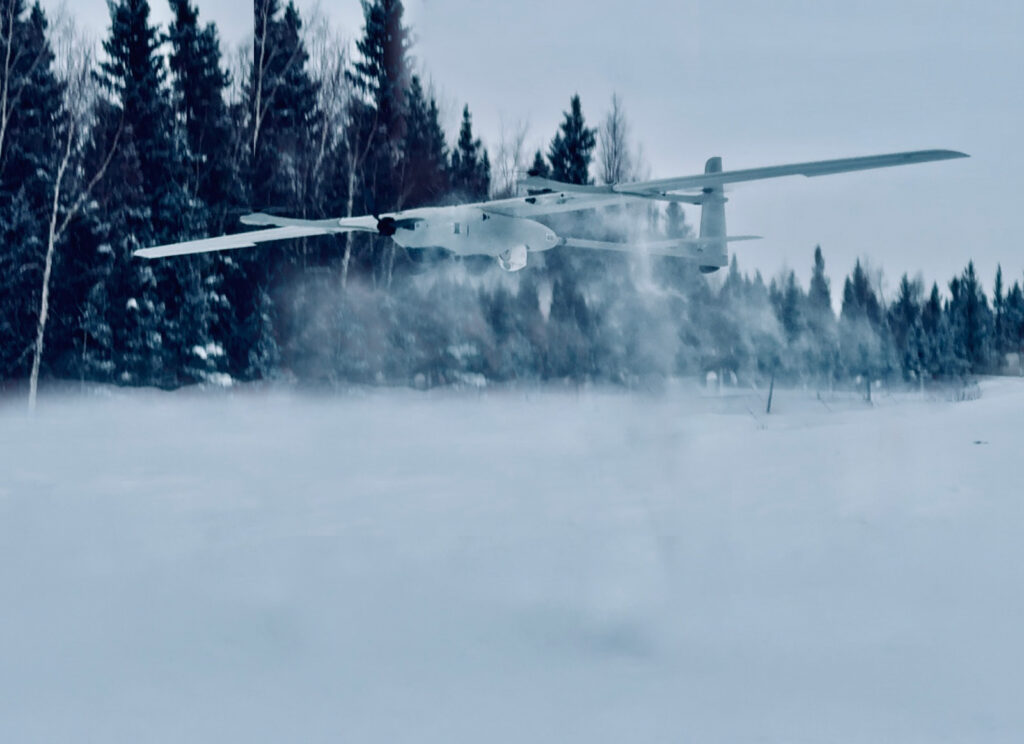
Recent conflicts have highlighted the vulnerability of large, expensive drones like the MQ-9 Reaper and MQ-4C Triton, with nearly $1 billion in losses reported. Experts argue that a strategic shift towards smaller Group 2 uncrewed aerial systems (UAS) is needed, as they are harder to detect and offer greater tactical flexibility. While very small FPV drones have proven effective in close-range conflicts like Ukraine, a hybrid approach that combines the capabilities of large UAS, Group 2 systems, and small drones is considered the most forward-looking strategy for modern warfare, particularly for long-range operations where the U.S. military holds a significant advantage.
Advertisement